Our first step / AllSight
Know the environment. See the risk.
Developing meteoroid intelligence for the spacecraft and services we depend on. Starting in low Earth orbit.
Request access ↗ Get in touch ↗
A civilization moving beyond Earth
needs protection that goes with it.
From the systems we rely on in orbit to the places we will one day call home.
Asteroids. Meteoroids. Dust streams. The natural environment reaches every orbit, every outpost, every mission.
Oroff connects intelligence, observation, and intervention to help protect humanity wherever it extends.
It starts with understanding ↓Developing meteoroid intelligence for the spacecraft and services we depend on. Starting in low Earth orbit.
Request access ↗Space is not empty. Natural meteoroids cross the orbits of the satellites, stations, and infrastructure we depend on. At high relative speeds, even small particles can damage exposed spacecraft surfaces and components.
Understanding this threat begins with the environment: the particles’ masses, speeds, and directions—and the uncertainty in what we know.
The environment is only part of the story. A spacecraft’s trajectory and orientation shape what it encounters.
We are developing ways to translate a changing meteoroid environment into mission-specific exposure—across an orbit and over time.
Exposure estimates should help mission teams ask better questions—with uncertainty kept in view.
Our next steps are model validation and learning from spacecraft designers, mission assurance teams, and operators about the decisions this intelligence needs to support.
Request access ↗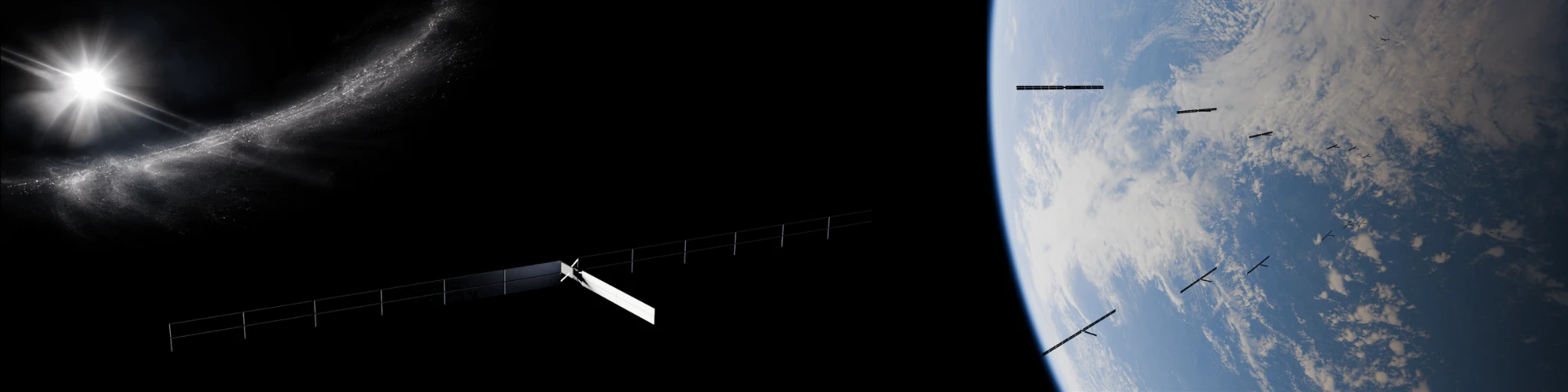
From understanding to observing
Model the environment.
Expand the evidence.
To understand an environment, we need to observe it. HEIMDALL explores a distributed meteoroid observatory across the Earth–Moon system.
Connect the observation points.
The benefit must justify the risk. Protect life and the environments humanity depends on.
Distinguish demonstrated capability from aspiration. Make room for uncertainty and independent critique.
Build through analysis, prototypes, testing, and reviewable progress toward flight.
A shared hazard calls for public legitimacy and international cooperation.
From understanding natural hazards to exploring the means to act.
From understanding natural hazards to exploring the means to act.
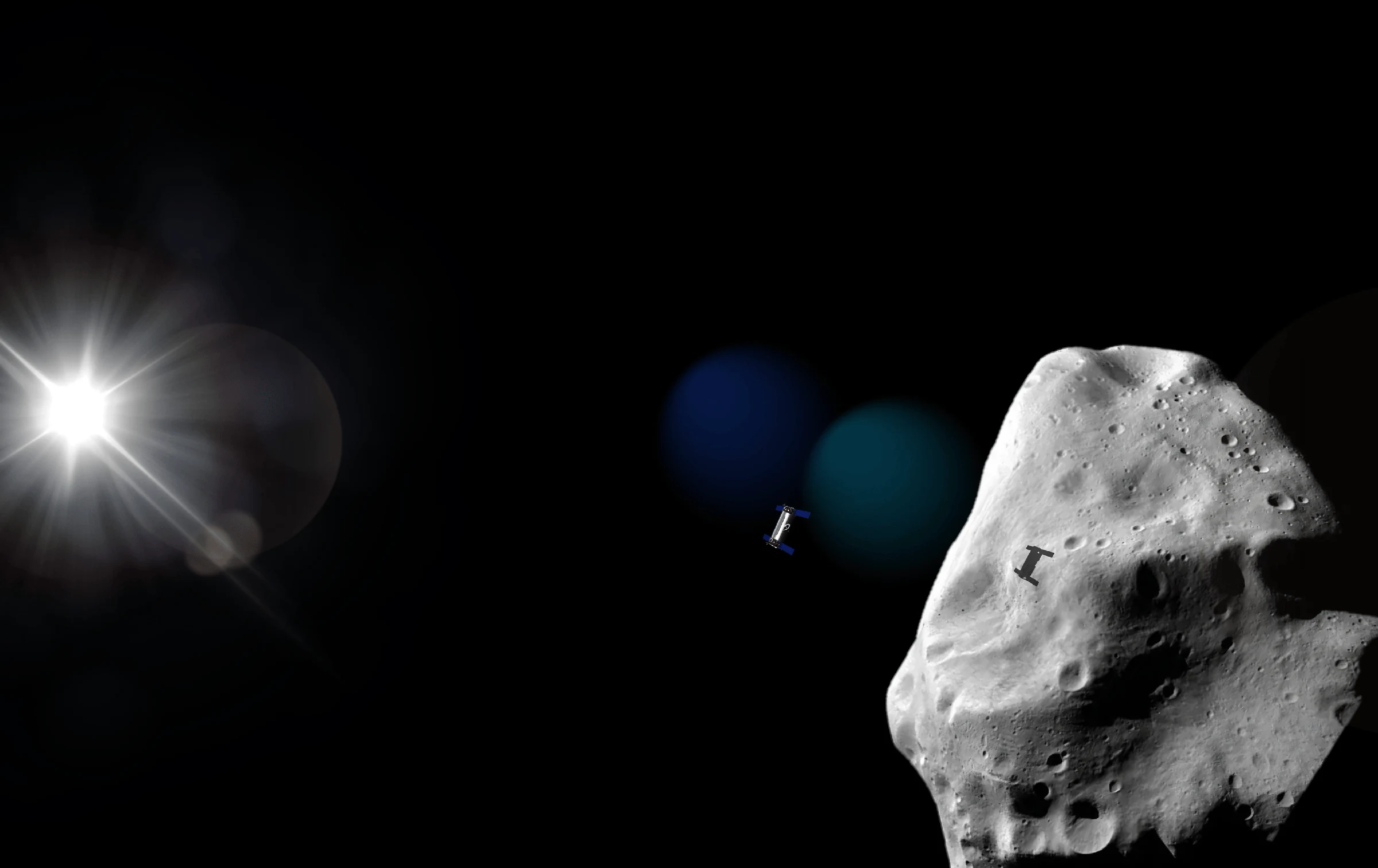
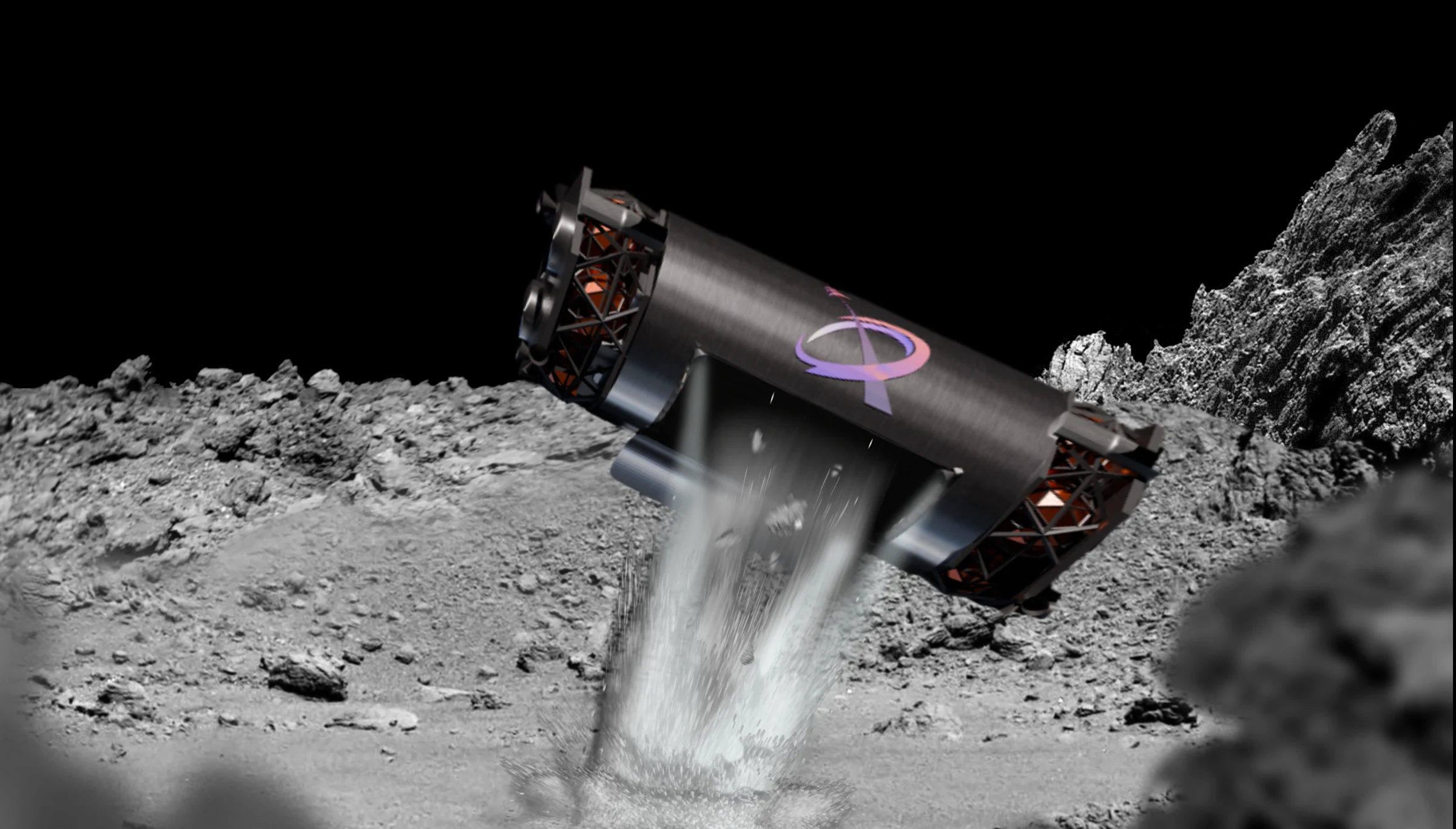
A spacecraft’s gentle gravitational influence. A deliberate change in an asteroid’s path. LOKI explores a route to redirection without a kinetic impact.
Exploring how captured asteroid material could increase a tractor’s gravitational influence.
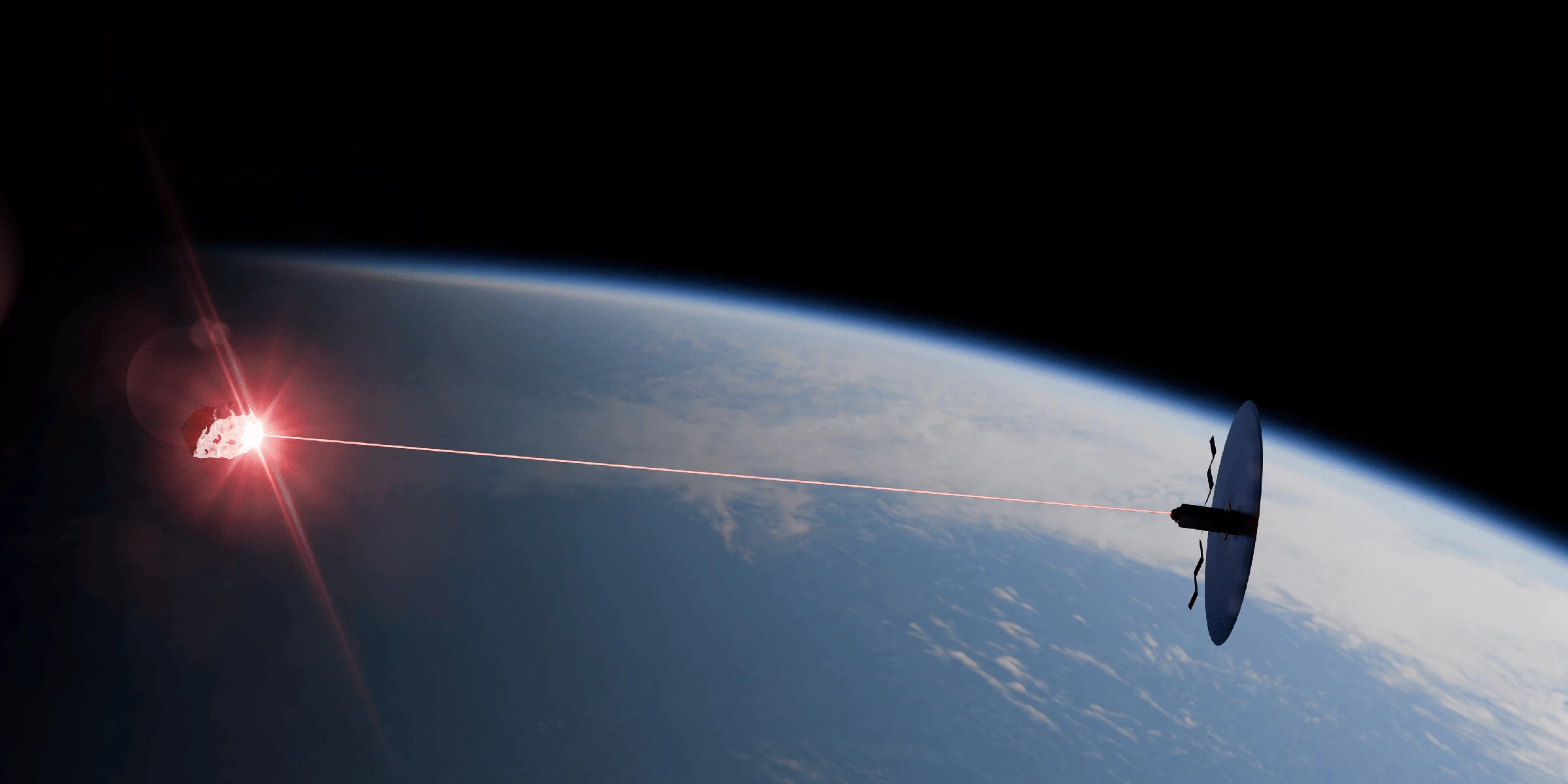
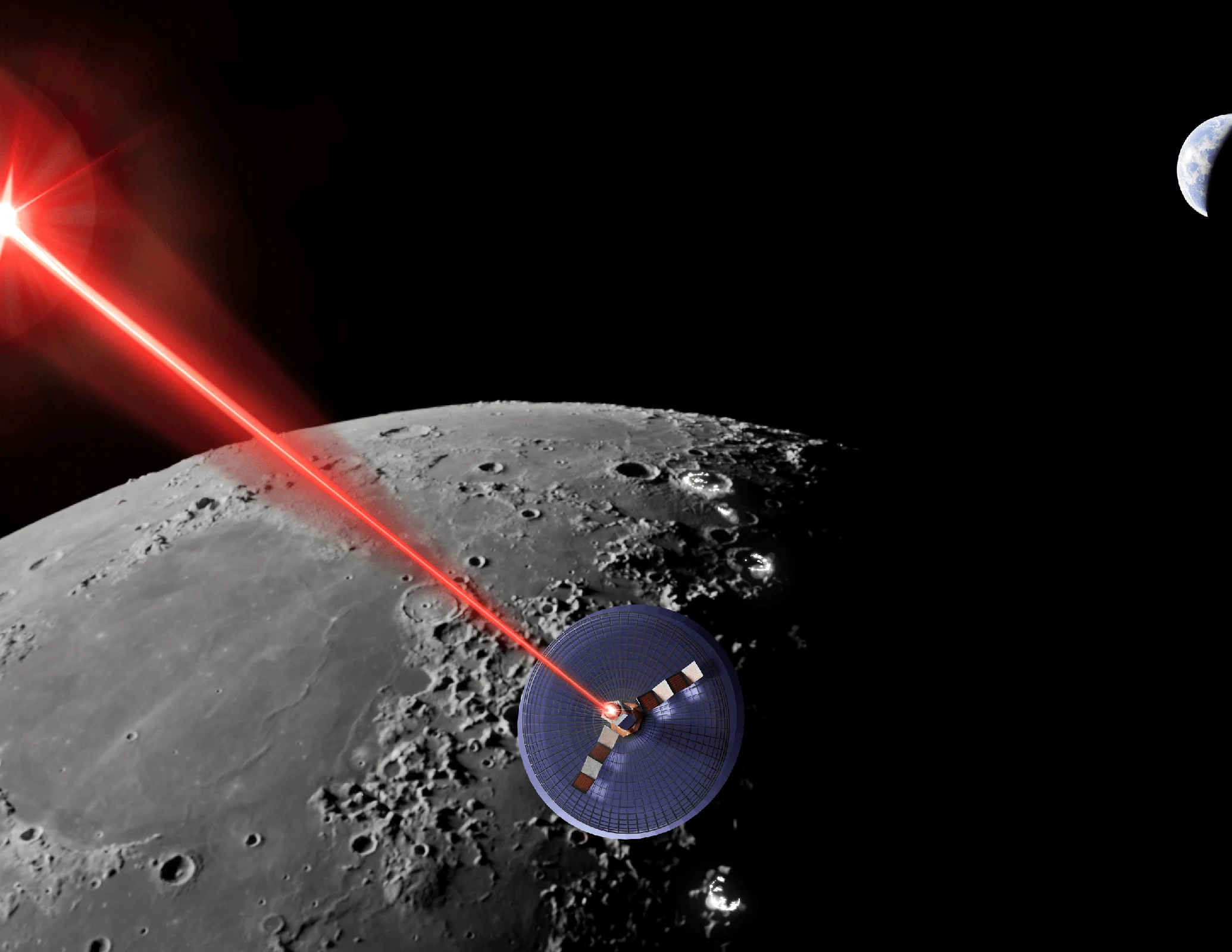
BIFRÖST explores directed energy for natural-hazard mitigation, including the challenge of protecting future lunar infrastructure.
Operators. Researchers. Engineers. Partners.
Help build the next chapter of planetary defense.